By: Turface - 11 Jun 2026
(From the files of Turface.com)
So many fields around the globe can easily avoid damage by following the steps outlined below. Although not always easy to follow when teams are eager to get outside and keep playing through the summer months, they can save hundred of headaches - especially for those volunteers tasked with field maintenance.
There are a few key steps you can take to minimize turf damage:
For daily maintenance, the following guidelines should be followed as often as possible:
Step 1: Mowing
If possible, turf surfaces should be mowed everyday. If this is not possible, mow as often as capable, not allowing the grass to grow more than 1 inch above the desired length. There are a few guidelines to follow when mowing:
There are five mowing patterns to use on your outfield and four on your infield:
Outfield:
Infield:
Step 2: Irrigation
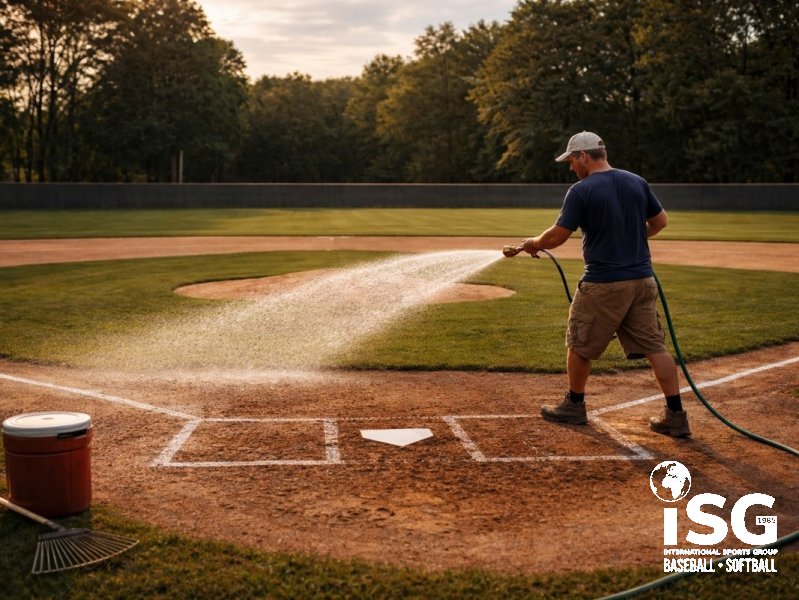
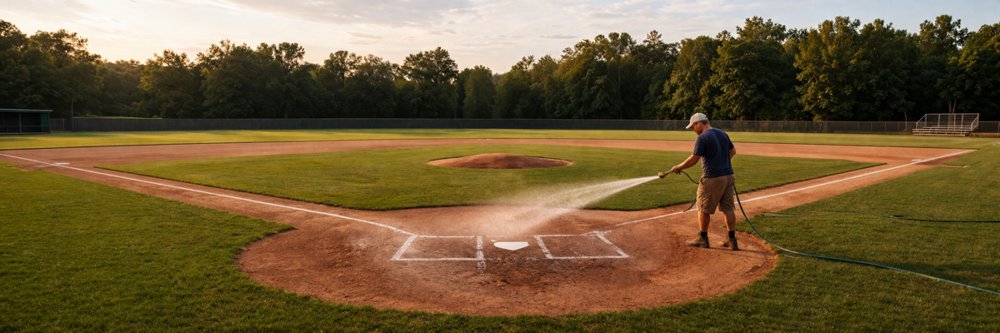
Water is essential to healthy turf. For the strongest deep rooted and most durable turf, it is important to follow proper watering patterns. On established turf, it is best to heavily water the field several times a week, rather than lightly watering everyday. Heavy watering will establish uniform moisture deep in the soil structure encouraging the roots to seek this moisture reservoir. Remember to pay attention to weather. If there is high heat, more frequent waterings may be needed. If rain is in the forecast, less frequent waterings may be needed. Do not water on a time schedule! Early morning irrigation is best to reduce evaporation and disease pressure.
Step 3: Spot Maintenance
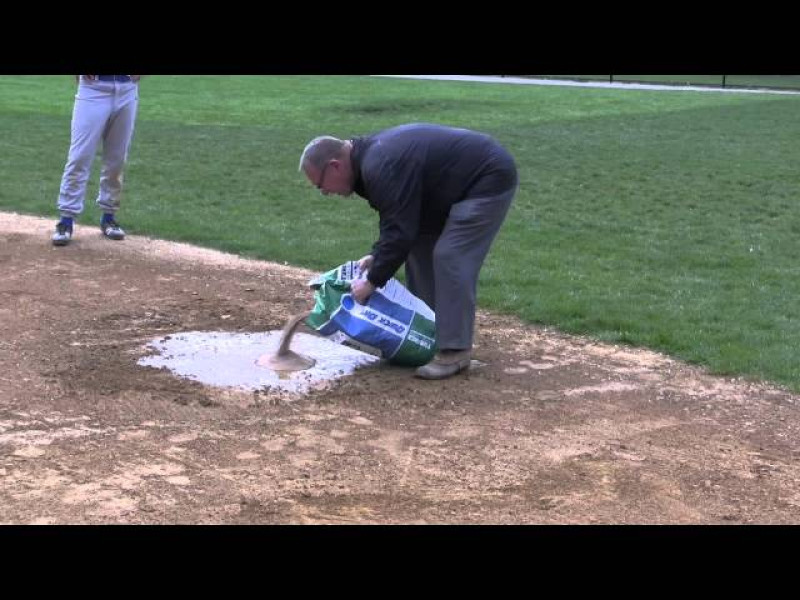
Take the time to repair and replace divots and damaged turf on a daily basis. Lightly topdress these damaged areas with a mixture of native soil, Turface® and seed. Then level the area with the back of a garden or landscape rake. It is very simple, not time consuming, and if done on a regular basis, it will ensure a consistent, safe playing surface.